Mental Warfare: Breaking the Cycle of Overeating
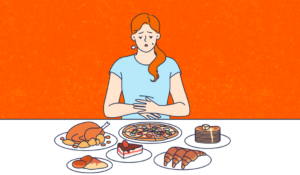 The Military Diet is a physical challenge, but its greatest value is often the mental reset. By adhering to a strict, 3-day regime, you are forced to confront the “why” behind your eating habits. For many, the Military Diet is the first time they realize they aren’t eating out of hunger, but out of habit, stress, or addiction.
To keep the weight off after your “3 days on,” you must identify and neutralize the two biggest saboteurs of a lean physique: Emotional Eating and Food Addiction.
1. The Emotional Enemy
We’ve all been there—reaching for a pint of ice cream after a bad day or mindlessly snacking because of boredom. This is emotional eating. It isn’t about fueling your body; it’s an attempt to fill an emotional void or numb uncomfortable feelings like anxiety, loneliness, or resentment.
Food becomes a coping mechanism, much like alcohol. It provides a temporary “numbness,” but the underlying issues remain, buried under the weight of extra calories.
The Strategy: Identify your triggers. Are you eating because your stomach is growling, or because you’re stressed?
The Mission: Practice mindfulness. Instead of reaching for a bag of chips when things get tough, sit with the feeling. Recognizing the emotion for what it is—temporary discomfort—allows you to process it without sabotaging your diet.
2. The Science of Food Addiction
If you feel powerless against cravings for chips, donuts, or fast food, it’s not just a lack of willpower. You are likely dealing with Hyperpalatables.
Big Food CEOs spend millions perfecting the “bliss point”—the exact combination of fat, sugar, and salt designed to hijack your brain’s reward center. These foods are engineered to be addictive, creating a dopamine hit similar to cocaine or nicotine.
The High Fructose Trap: High Fructose Corn Syrup (HFCS) is the “secret weapon” of the food industry. It’s in everything from bread and salad dressing to burger patties. It spikes your insulin and creates a short-lived sense of bliss that leaves your brain screaming for another “hit.”
The Strategy: Treat processed food like any other addictive substance. You wouldn’t tell a smoker to “just have one cigarette”; similarly, you may need to go cold turkey on hyperpalatables to reset your brain’s reward center.
3. Deploying the Military Diet as a “Reset”
The Military Diet works because it removes the “paradox of choice.” By following a set menu, you take the emotion out of eating. You eat what is on the plan because that is the mission. This break from addictive, processed foods allows your taste buds to recalibrate and your insulin levels to stabilize.
If you find yourself overwhelmed by the psychological side of eating, don’t go it alone. Whether it’s a counselor or a support group like Overeaters Anonymous, getting backup is a sign of a smart strategist, not a weak soldier.