False Allies: Are Energy Drinks Sabotaging Your Mission?
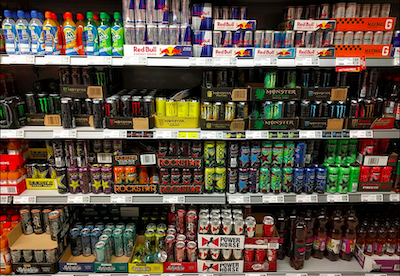 Energy drinks promise the world—extra energy, focus, and “wings” to get you through your day. But behind the aggressive marketing of brands like Red Bull, Monster, and Rockstar lies a cocktail of carbonated water, excessive caffeine, and high fructose corn syrup.
On the Military Diet, we focus on high-performance fuel. Energy drinks, however, are more likely to deliver a “belly blowout” than a metabolic boost. Here is the debrief on why these cans are a liability.
The Caffeine Overload
While caffeine is a core part of the Military Diet, energy drinks often provide it in unstable, synthetic doses.
The Intel: A Red Bull has about 80mg of caffeine, while a “5-Hour Energy” shot packs 200mg—roughly the same as a large brewed coffee.
The Risk: Excessive synthetic caffeine spikes your heart rate and dehydrates the body. Dehydration is the #1 cause of fatigue, meaning these drinks eventually cause the very “crash” they claim to fix.
The Sugar and Aspartame Trap
The sugar content in most energy drinks is staggering, often exceeding 15 teaspoons per can.
High Fructose Corn Syrup (HFCS): Most energy drinks use HFCS, which is processed by the liver and stored directly as visceral (belly) fat. Instead of wings, you’re getting a “Buddha belly.”
Artificial Sweeteners: If you choose the “Zero” versions, you aren’t safe. Aspartame and other artificial sweeteners trigger an insulin response, confusing your hormones and making you crave calorie-dense carbs later.
Synthetic Vitamins: The “Bright Yellow” Truth
Many brands boast about Vitamin B and amino acids like Taurine. Ever notice your urine turns bright yellow after drinking one? That’s your body immediately flushing out synthetic vitamins it can’t absorb.
Vitamins: Your body is designed to absorb vitamins from whole foods (like the grapefruit and broccoli on our plan), not lab-made liquids.
Taurine: While Taurine is a natural amino acid, when slammed in high doses via an energy drink, it struggles to reach the brain effectively. The long-term effects of these concentrated doses are still a tactical unknown.
Better Tactical Alternatives
If you are struggling with low energy during your “3 days on” or maintenance phase, choose a superior fuel source:
Organic Black Coffee: Provides clean caffeine and antioxidants without the chemical sludge.
Green or White Tea: Offers a steady energy lift with catechins that actually help burn fat.
Electrolyte Replenishment: If you are exercising, skip the energy drink. Reach for a low-sugar sports drink or coconut water to replenish electrolytes. Energy drinks dehydrate you; sports drinks rehydrate you.
The Bottom Line
Energy drinks are a “short-term gain, long-term loss” strategy. For consistent weight loss and high energy, stick to the natural stimulants approved by the Military Diet.