Covert Candy: Are Protein Bars Sabotaging Your Diet?
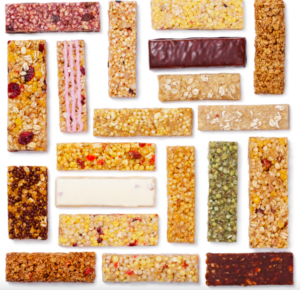
But before you stockpile these for your next mission, you need to hear the skinny: Most protein bars are just glorified candy bars with a higher price tag.
The “Health Food” Deception
That peanut butter, caramel, and chocolate chip bar you grabbed for a quick refuel? Nutritionally speaking, you might have been better off eating a Snickers. At least with a candy bar, the marketing is honest.
The protein bar industry is a multi-million dollar business that thrives on loose FDA labeling requirements. Companies can slap “Healthy” or “Nutrition” on a wrapper while filling the inside with the same ingredients found in a junk food warehouse.
Identifying the Enemy: What’s Really Inside?
When you read the ingredient list, you’ll often find these metabolic saboteurs:
Sugar & Corn Syrup: If the first ingredient is a form of syrup, it’s a major red flag. Manufacturers use massive amounts of sugar to mask the chalky taste of low-quality protein and fiber.
Soy Protein Isolate: This is a highly processed, low-quality protein source that is cheap to produce but hard on the body.
Trans Fats & Hydrogenated Oils: These are “heart-stoppers” that cause inflammation and stall weight loss.
Artificial Sweeteners & Sugar Alcohols: These “Zero Sugar” alternatives can cause digestive distress and spike your insulin, making your brain crave even more sugar later.
Chemical Fillers: If the ingredient list looks like a high school chemistry project, put the bar back on the shelf.
Tactical Recon: How to Choose a Real Protein Bar
If you’re looking for a “needle in the haystack”—a bar that actually offers nutritional value—you have to ignore the front of the box and read the back.
The Ingredient Count: Fewer is better. A high-quality bar should have a short list of recognizable, whole-food ingredients.
No “Syrup” Starters: Ensure sugar isn’t one of the top three ingredients.
Real Food First: Look for bars based on nuts, egg whites, or seeds rather than “isolates” and “blends.”
The Better Alternative
On the Military Diet, we prioritize whole-food protein for a reason. Instead of a processed bar, try these 100-calorie real-food swaps:
A hard-boiled egg (6g of high-quality protein).
14 almonds (6g of protein plus healthy fats).
1/2 cup of cottage cheese.
The Bottom Line: Don’t let a clever wrapper ruin your progress. If you can’t pronounce the ingredients, it’s not food—it’s a chemical liability.