Tactical Hunger Control: How to Crush Cravings and Stay on Mission
On the Military Diet, discipline is your greatest asset. But let’s be honest: when you’re running on a calorie deficit, hunger pangs are the “enemy” trying to breach your defenses. To successfully complete your 3-day mission and stay lean during your 4 days off, you need a strategy to manage appetite without breaking your caloric budget. Here is your field manual for crushing hunger:
1. Neutralize Emotional Eating
 Boredom, stress, and anxiety often masquerade as hunger. This “head hunger” isn’t about a lack of fuel; it’s a search for a dopamine hit.
The Strategy: Redirect your focus. Take a 30-minute bath (which burns 140 calories—the same as a walk!), call a friend, or get outside. If you distract your brain for 20 minutes, the “craving” signal usually self-destructs.
2. Force Multiplier: Hydration
Your brain often confuses thirst with hunger. Irritability and stomach gurgles are frequently just signs of dehydration.
The Tactic: Drink 17 oz (two glasses) of water immediately before a meal. This stretches the stomach, sending “full” signals to the brain, and can reduce your calorie intake by 22%.
3. Deploy Thermogenic Spices
Seasoning isn’t just for flavor. Spices like cayenne, ginger, turmeric, and chili powder are permitted on the Military Diet and act as appetite suppressants.
The Science: These spices generate heat (thermogenesis), which revs your metabolism and increases satiety after the meal is over.
4. Prioritize the Morning Recon (Breakfast)
The Military Diet includes a structured breakfast for a reason. Skipping the morning meal leads to mid-day binging. By fueling up early, you stabilize your blood sugar and make better tactical decisions for the rest of the day.
5. Never Skimp on Protein
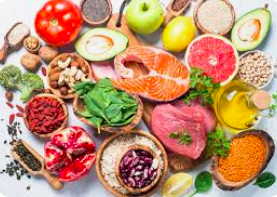 Protein is the most satiating macronutrient. Eating just 2–3 ounces of protein triggers a 25% spike in energy and keeps your fat-burning furnace stoked for four hours.
The Strategy: Whether you are on the standard or vegetarian version of the diet, ensure you hit your protein targets to keep the hunger hormone, ghrelin, in check.
6. Mindful Consumption
Inhaling your food while scrolling through your phone is a recipe for overeating. It takes about 20 minutes for your “full” signals to reach your brain.
The Tactic: Eat slowly and focus on the quality of each bite. If you eat mindfully, you’ll feel satisfied with less volume.
7. High-Intensity Exercise
While moderate movement is good, intense exercise (like HIIT or a spin class) actually suppresses appetite.
The Science: Vigorous activity spikes peptide YY (the fullness hormone) and drops ghrelin. A hard workout doesn’t just burn calories; it kills the urge to binge later in the day.
8. Sleep: The Hormone Regulator
 Sleep deprivation is a direct threat to your weight loss. Less than 6 hours of shut-eye increases your risk of obesity by 55%.
The Logic: Lack of sleep spikes ghrelin and tanks leptin (the hormone that tells you to stop eating). Get 7–9 hours of sleep to keep your hormones balanced.
9. Tactical Caffeine
Caffeine is a proven appetite suppressant and a core component of the Military Diet. While black coffee and green tea are excellent, research shows that even one cup of decaf coffee can significantly reduce hunger pangs without the caffeine jitters.
10. The Clean Slate (Brush Your Teeth)
Brushing your teeth right after a meal signifies the “end of the mission” to your brain. The minty flavor cleanses the palate, and the chemicals in toothpaste temporarily alter your taste buds, making snack foods taste unappealing.